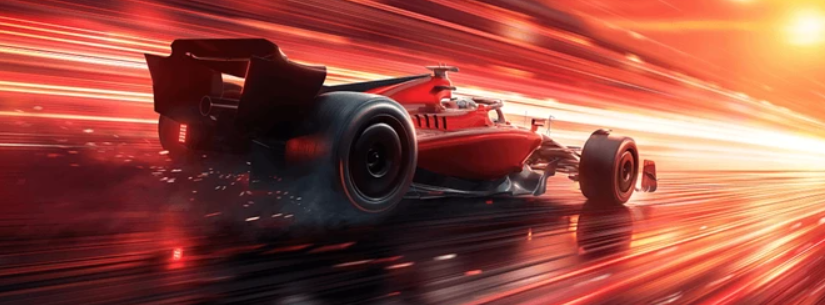
Few sports blend engineering brilliance, human skill, and global entertainment quite like Formula 1. What began in the 1950s as a raw, dangerous, mechanical contest has transformed into a multi‑billion‑euro industry watched by hundreds of millions around the world. Yet despite the technological leaps and commercial polish, the essence of F1 remains unchanged: the relentless pursuit of speed.
In this deep dive, we explore the modern landscape of Formula 1 — the teams, the technology, the rivalries, and the future of the sport.
A Brief History of Formula 1
The first official Formula 1 World Championship race took place at Silverstone in 1950. Back then, the cars were front‑engined beasts, drivers wore little more than goggles and leather helmets, and safety standards were almost nonexistent. Over the decades, the sport evolved dramatically:
- 1960s: Rear‑engined cars revolutionised performance.
- 1970s: Aerodynamics and wings changed the game.
- 1980s: Turbocharged monsters dominated, producing over 1,000 horsepower in qualifying trim.
- 1990s–2000s: Electronic aids, carbon fibre chassis, and the rise of legendary drivers like Senna, Schumacher, and Häkkinen.
- 2014–present: The hybrid era, defined by energy recovery systems and ultra‑efficient power units.
Each era brought new heroes, new controversies, and new technological breakthroughs.
The Modern F1 Car: A Masterpiece of Engineering
Today’s Formula 1 car is one of the most advanced machines ever built. Every component — from the front wing to the rear diffuser — is sculpted with precision.
Key Features of a Modern F1 Car
- Hybrid Power Unit: A 1.6‑litre V6 turbo engine paired with electric motors, capable of producing around 1,000 horsepower.
- Aerodynamics: Ground‑effect floors, complex wings, and airflow‑sensitive bodywork generate enormous downforce.
- Materials: Carbon fibre everywhere — strong, light, and incredibly expensive.
- Braking Systems: Carbon‑carbon brakes that operate at temperatures exceeding 1,000°C.
- Telemetry: Hundreds of sensors feeding real‑time data to engineers.
The result is a machine that can accelerate from 0–200 km/h and back to zero in under five seconds
The Teams: Giants of Innovation
Formula 1 is as much a battle of engineers as it is of drivers. The top teams operate like aerospace companies, employing thousands of specialists.
Mercedes-AMG Petronas
Dominant in the hybrid era, known for unmatched efficiency and strategic excellence.
Red Bull Racing
Masters of aerodynamics, with Adrian Newey’s designs shaping the modern era.
Ferrari
The oldest and most iconic team in F1 history — a symbol of passion, heritage, and Italian engineering.
McLaren, Aston Martin, Alpine, Williams, and more
Each team brings its own philosophy, culture, and ambitions to the grid.
The Drivers: Elite Athletes at the Limit
F1 drivers are not just skilled racers — they are elite athletes with extraordinary reflexes, endurance, and mental strength.
What Makes an F1 Driver Exceptional?
- G‑force tolerance: Up to 6G in corners and braking.
- Precision: Millimetre‑perfect driving at 300 km/h.
- Mental stamina: 90‑minute races with constant decision‑making.
- Adaptability: Changing conditions, tyre wear, fuel loads, and strategy shifts.
The grid today features a mix of world champions, rising stars, and fearless rookies — each fighting for glory.
Strategy: The Invisible Battle
While fans see the cars on track, much of the race is won behind the scenes.
Key Strategic Elements
- Tyre management: Soft, medium, hard — each with unique performance windows.
- Pit stops: Sub‑2‑second stops can make or break a race.
- Fuel and energy management: Balancing pace with efficiency.
- Weather and safety cars: Unpredictable elements that can flip a race upside down.
A brilliant strategy can elevate a midfield team to a podium finish.
The Global Spectacle
Formula 1 is more than a sport — it’s a global event. Races take place across five continents, from Monaco’s narrow streets to the high‑speed straights of Monza and the neon spectacle of Singapore.
Why Fans Love F1
- The drama of wheel‑to‑wheel racing
- The personalities and rivalries
- The constant innovation
- The unpredictability of each season
- The sheer beauty and danger of the sport
The Netflix series Drive to Survive brought millions of new fans into the fold, turning F1 into a cultural phenomenon.
The Future of Formula 1
The sport is undergoing major changes to stay relevant and sustainable.
What’s Coming Next?
- 2026 engine regulations: More electric power, less fuel consumption.
- Sustainability goals: Net‑zero carbon by 2030.
- New teams and manufacturers: Audi confirmed, others rumoured.
- Closer racing: Regulations designed to reduce dirty air and improve overtaking.
F1 is evolving — but its heart remains the same.
Conclusion: A Sport Like No Other
Formula 1 is a unique blend of speed, science, and spectacle. It’s a sport where milliseconds matter, where innovation never stops, and where legends are made. Whether you’re a lifelong fan or a newcomer, F1 offers endless stories, rivalries, and moments that stay with you forever.
The roar of the engines, the tension of the grid, the thrill of the final lap — this is Formula 1.
If you want, I can also:
- Add SEO keywords
- Write a meta description
- Create a featured image prompt
- Format it for Gutenberg blocks
- Tailor it to your F1Sessions project
Just tell me what direction you want to take it next.


Leave a Reply